


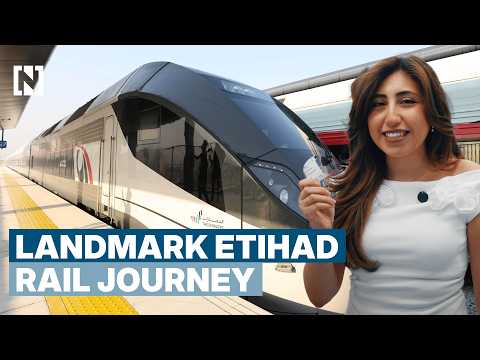
On 30 September 2026, the first regular Etihad Rail passenger train departed from the platform of Al Yalayis station in Dubai's Jumeirah Golf Estates area for Abu Dhabi. Instead of the usual hour to an hour and a half stuck in traffic on the E11 highway, passengers now spend about 57–64 minutes on the journey, travelling at speeds of up to 200 km/h.
The launch complements the Abu Dhabi–Fujairah route, which opened on 30 June. Now five to ten trains run daily in each direction between the two main emirates. Each train holds up to 400 passengers, offers two classes — Comfort and Premium — and is integrated with the Dubai Metro network via a pedestrian bridge about 400 metres long.
The project, which began as a freight one, has grown into a national passenger network designed to ease the burden on roads and cut CO₂ emissions. Trains already link the east coast with the capital, and in December 2026 year stations will be added in Al Dhafra, followed in March 2027 by stations in Sharjah. According to the operator, more than 70 thousand tickets were sold on the Abu Dhabi–Fujairah route in the first months of operation.
Prices start from 29–39 dirhams for Comfort class and 89–109 dirhams for Premium. Tickets are available via the app, the website and machines at stations; integration with the Nol card is provided for seamless transfers. On board there is Wi-Fi, power sockets, luggage space and a menu featuring elements of Emirati cuisine.
For residents and visitors to the UAE, this is not just a new mode of transport but a chance to experience the distances between the emirates differently. Instead of a tiring drive behind the wheel — a calm journey where you can work, relax or simply watch the desert outside the window.
The network continues to expand, and it is already clear: the rails are changing the country's familiar logistics, making travel between key cities faster, greener and more comfortable.


