


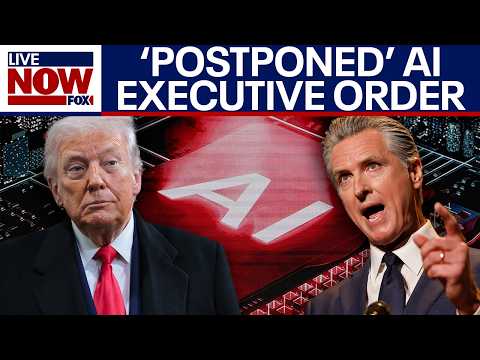
American tech policy has once again proven its inherent unpredictability. A planned White House signing ceremony for a new executive order on artificial intelligence and cybersecurity was abruptly scrapped just hours before it was set to begin. Donald Trump offered a brief explanation to reporters, stating, “I didn’t like certain aspects of it, so I put it on hold.”
Behind this decision lies an intense behind-the-scenes drama. According to reports from specialized U.S. media, late-night phone calls from industry titans Elon Musk and Mark Zuckerberg played a pivotal role in the cancellation. These investors and developers convinced the White House that even framework-based, purely voluntary oversight of AI models by the Treasury Department could act as a bureaucratic drag on the technological arms race. “We are ahead of China, we are ahead of everyone, and I don’t want to do anything that gets in the way of that leadership,” Trump concluded.
Since the start of January 2025, the Trump administration has consistently dismantled Joe Biden's rigid regulatory legacy, betting instead on the dominance of the American AI stack.
The new departmental initiative was intended to streamline the sharing of vulnerability data and protect critical infrastructure. However, Silicon Valley perceived it as a looming specter of government overreach. The industry signaled that any regulations at this stage would be a gift to Beijing, which does not burden its own labs with public debates over safety.
Could a total rejection of safety guidelines harm the market? In the short term, it is unlikely. Removing even the hint of restrictions unlocks billions of dollars for building new data centers and training massive, next-generation neural networks. Investors have been given carte blanche. Nevertheless, in the long run, the absence of unified federal cybersecurity standards shifts the full risk of potential failures or data leaks directly onto the businesses themselves.
As the federal government steps back, individual states are seizing the initiative. While Washington prioritizes absolute freedom to ensure victory over China, California and New York have already begun implementing their own AI transparency laws. Is the industry prepared for such a legal patchwork in exchange for lack of top-down control? It appears that major capital finds this trade-off perfectly acceptable.


