



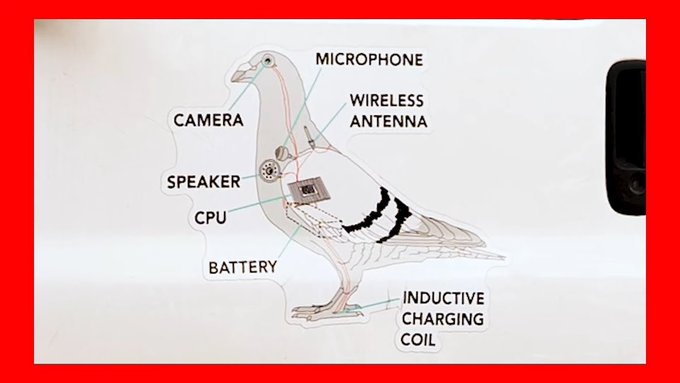
Seabirds have long been regarded as harbingers or the souls of the dead, but now they have turned into unexpected allies of science. Researchers from the United Kingdom, New Zealand and Spain have fitted them with miniature sound-recording devices to track vessels that are invisible to conventional monitoring systems.
In the North Atlantic, the Mediterranean Sea and the southern Pacific Ocean, researchers attached recorders and transmitters to northern gannets, Balearic shearwaters and western shearwaters. The recordings revealed that the birds encounter far more vessels than official data show.
About 57 percent of gannet encounters and around 20 percent of shearwater encounters were with vessels whose transponders were switched off or absent. These "invisible" boats often turn out to be fishing vessels, attracting the birds with easy prey.
For endangered species such as the Balearic shearwater, which nests only on the Balearic Islands, bycatch in nets remains the main threat. Knowing the exact locations of encounters helps assess the scale of the problem and develop protective measures.
The method is based on recognising the characteristic noise of ship equipment. Computer programs compare the sounds with satellite tracking data and identify discrepancies. This complements satellite observations, which do not show the actual interactions between birds and vessels.
However, the system is not perfect: it does not distinguish all types of vessels and does not detect longlines set far from the boat. The authors of the study emphasise that this is only one tool in a growing arsenal of methods.
The data already make it possible to better understand exactly where birds risk getting caught in nets. In the future, such "listening posts" could help in areas where traditional monitoring is ineffective.
The study is published in Science Advances and demonstrates how technology and animal behaviour together provide a new picture of the ocean. Birds that were once regarded merely as symbols now supply valuable information for their own salvation.
Such projects show that even small changes in the approach to observation reveal hidden connections in the ecosystem. They help not only to protect specific species but also to reduce pressure on marine resources as a whole.
The researchers plan to improve the sound-recognition algorithms in order to identify fishing vessels more accurately. This will make the method even more useful for international efforts to conserve marine fauna.
In the end, the birds remind us: nature itself can suggest how to protect it, if we learn to listen.


