


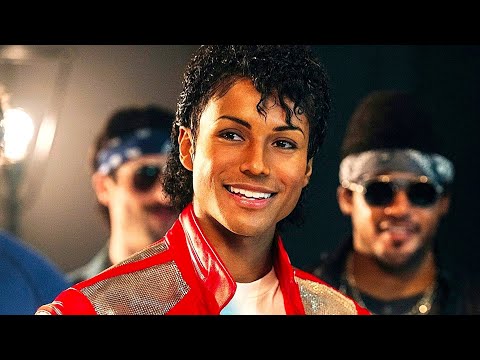
The cinematic landscape of 2026 was forever changed by the release of Michael, a monumental biographical film dedicated to the life and unparalleled career of the King of Pop. Debuting in theaters worldwide during the spring of 2026, the picture quickly ascended to become one of the most discussed and financially successful musical biopics in history. It successfully ignited a global wave of nostalgia while fostering deep professional dialogues regarding the legacy of Michael Jackson.
Rather than offering a mere chronological list of achievements, the film provides an immersive exploration into the psyche of a creative genius. Taking center stage is Jaafar Jackson, the singer's own nephew and the son of Jermaine Jackson. His portrayal of the adult Michael Jackson has been hailed by audiences for its uncanny accuracy and emotional depth.
The hereditary link is palpable in every frame, as Jaafar mirrors his uncle's intricate choreography and stage presence. Critics and fans alike noted that his mannerisms and even the specific vocal nuances in the musical sequences carry a level of authenticity that feels almost supernatural. This connection allows the film to transcend standard imitation, offering a performance that feels deeply personal.
The narrative also pays homage to the early years of the legend, with young actor Juliano Krue Valdi stepping into the role of Michael during the Jackson 5 era. Valdi’s performance brings a raw emotional sincerity to the screen, allowing the audience to witness the step-by-step transformation of a talented boy from Gary, Indiana, into a transcendent global icon.
The supporting cast further elevates the production with powerhouse performances. Oscar nominee Colman Domingo takes on the role of the family patriarch, Joe Jackson, capturing the complicated duality of a man driven by ambition and hidden vulnerabilities. His portrayal explores the harsh discipline and the high stakes of the Jackson family's rise to fame.
Joining the ensemble are Nia Long, who portrays Katherine Jackson, and Miles Teller in the role of attorney John Branca. Their performances provide a necessary counterpoint to the central narrative, illustrating the intricate family and business dynamics that surrounded the artist throughout his career. These roles help ground the film in the reality of the industry during that era.
Directed by Antoine Fuqua, known for his work on The Equalizer, the film marks a significant stylistic shift for the filmmaker. Moving from gritty crime thrillers to the realm of musical drama, Fuqua utilizes visual poetry and rhythmic editing to tell the story. His direction ensures that the film maintains a high-energy pace that matches the tempo of the music.
The plot spans the artist's trajectory from his early days with The Jackson Five through the heights of his solo career, culminating in the legendary performances of the late 1980s. This timeframe allows the audience to see the evolution of his sound and his visual identity as he redefined the music industry on a global scale.
A defining characteristic of the film is its deliberate focus on Michael Jackson’s creative process rather than his tabloid-heavy personal life. While some critics have labeled the portrayal as overly sanitized or idealized for omitting certain controversies, the film dives deep into other personal territories. It explores his internal philosophy and the physical changes he underwent over the years.
The filmmakers chose to emphasize how discipline, pain, and a profound faith in art were distilled into his music. By focusing on the creative struggle, the movie attempts to show how the artist transformed his inner world into a universal language. It leaves space for the audience to draw their own conclusions about the man behind the music.
The sheer scale of the production is a testament to the project's ambition. To accurately recreate the various eras of the singer's life, the production team utilized thousands of period-accurate costumes and massive sets. A highlight of the film is the cinematic reconstruction of the 1988 Wembley Stadium concert, which is executed with breathtaking precision.
One particular scene has already become a hallmark of the film, featuring a poignant exchange that reveals Michael's inner world. When asked what he is doing, Michael replies that he is tuning in so the Creator can gift him a new hit. He explains that if he does not stay connected, those hits might be given to Prince instead. This moment captures the blend of superstition and dedication that defined him.
Commercial performance has shattered even the most optimistic industry forecasts. Starting with record-breaking opening weekend figures, the biopic has already surpassed hundreds of millions of dollars in global ticket sales. It is currently on track to become the highest-grossing film ever released in the musical biography genre.
The success was so immediate that Lionsgate officially announced the development of a sequel. This upcoming installment is expected to cover the later chapters of his life, including the 1990s and 2000s, providing a complete look at his final creative years. This expansion ensures that the full scope of his legacy will eventually be captured on the silver screen.
Ultimately, Michael serves as a powerful reminder of why the world fell in love with the King of Pop's artistry. It is not merely a collection of greatest hits, but a sincere attempt to understand a genius through his discipline and his unwavering devotion to the stage. As one of the most significant cultural events of the decade, the film is poised to become a benchmark for musical biographies.
The critical reception from GAYA ONE remains exceptionally high, earning a score of 8/10. The praise is centered on the music that permeates even the silent moments between scenes and the breathtaking dance sequences that demand to be experienced on the largest screen possible with premium sound quality.


