


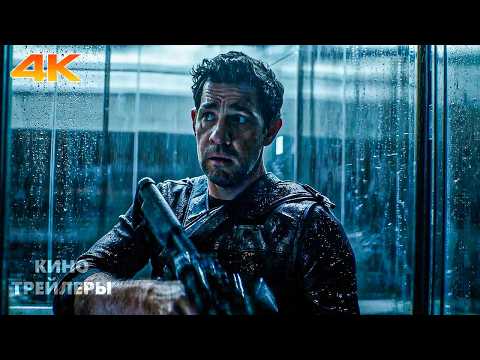
Streaming has finally dismantled the traditional boundaries between serialized television and feature-length cinema. A perfect illustration of this shift is the recent premiere of "Jack Ryan: Ghost War" on Amazon Prime Video. Rather than simply reviving the John Krasinski-led series that concluded in 2023, the streamer has reimagined it as a two-hour spy thriller. What drove this decision, and what does it signal for the future of entertainment?
Amazon’s strategy is rooted in cold pragmatism. Creating high-budget eight-episode seasons demands immense time and capital, yet audience retention often lasts only a few weeks. The "sequel movie" format leverages an established fanbase and slashes production costs, effectively bridging the action-thriller gap between seasons of major hits like "Reacher."
Director Andrew Bernstein embraced Tom Clancy’s classic political detective tropes while adapting them for a fast-paced cinematic experience. The plot drags Ryan back from his post-series retirement on Wall Street to face "ghosts" from his past—a resurrected CIA black-ops initiative known as "Starling." The action moves swiftly across the globe, shifting from the somber streets of London to a high-stakes finale in Dubai’s data centers.
Industry reception, however, has been lukewarm, with a critical approval rating of approximately 46%. Reviewers have criticized the film for its predictability, suggesting it swaps sophisticated geopolitical analysis for generic chase sequences. Are they right? To some extent. The film admittedly lacks the narrative depth found in the show’s debut seasons. Nevertheless, it fulfills its primary objective: maintaining subscriber engagement within the platform’s ecosystem. The return of series veterans Wendell Pierce and Michael Kelly, combined with Sienna Miller’s magnetic presence, delivers a reliable choice for a night in.
This trajectory points toward a new consumption model where television series function as extended character development for future blockbuster sequels. For tech giants, this represents a significant budget optimization. For viewers, it offers a way to reunite with favorite characters more frequently, even if the storytelling is more condensed and concentrated.


